Showing posts with label Museums. Show all posts

Visit to the Geominero Museum in Madrid / Museo Geominero (Madrid)

The Geominero Museum (Museo geominero) in Madrid is a place that, at first glance, from the street, may go unnoticed (or you may not even realise it exists) but once inside it hides an unexpected treasure, both for its contents and for the architecture of the building.


Inside the Geominero Museum (Museo geominero)

The Geominero Museum is located next to the Rios Rosas metro station. It is located in the building of the Geological and Mining Institute of Spain - Instituto Geológico y Minero de España (Calle de Rios Rosas, 28), and admission to the museum is free.

The museum's large main hall has a huge glass ceiling, a ground floor full of display cases and three upper floors with perimeter balconies overlooking the ground floor, which are reached by old stairs and are full of shelves and display cases with exhibitions.  

The museum experience is surprising not only for its content (a large exhibition of minerals, fossils, rocks, etc. from Spain and the rest of the world), but also for the ambience of total calm and tranquillity, and for the atmosphere of the building, which evokes a journey into the past. It is not for nothing that the IGME celebrated its 175th anniversary in 2024, and the building was constructed between 1921 and 1940. The collections on display are more than a century old. 

The duration of the visit can range from 1 hour to 3 or 4 hours, depending on the person and their interest in geology and mining. Moreover, the museum is quite close to the Natural Science Museum, another well-known and very extensive museum in Madrid, so you can walk from one to the other and in one day you can visit both.

More information about the museum (opening hours, history, etc.) can be found at https://www.igme.es/museo


Other nearby museums in Madrid 

- Natural Science Museum (Museo de ciencias naturales), located on Paseo de la Casetallana, next to the roundabout at the Fuente de San Juan de la Cruz (Gregorio Marañón metro station, near Nuevos Ministerios).

- Sorolla Museum.

- Madrid museum triangle: Prado Museum, Reina Sofía Museum and Thyssen-Bornemisza Museum.

- Museo de América, in Ciudad Universitaria (near Moncloa metro station).

The Roman Museums of Zaragoza: The Caesaraugusta Route

Caesaraugusta (Zaragoza) was the only city in the Roman Empire that enjoyed the privilege of bearing the full name of the Emperor Caesar Augustus, founder of the city.

The Caesaraugusta Route is composed of four museums located in the historic centre of Zaragoza, which will allow us to discover how life was lived in this city during Roman times two millennia ago. These museums are a must for anyone who wants to learn about the history of the city and the Iberian Peninsula. 

Each of these sites are excavated underground in their original location in Roman times. The buildings that can be visited date from the 1st and 2nd centuries AD. All four sites can be visited on foot in one day, and tickets can be purchased together or separately at a very affordable price.


The museums: Theatre, Thermal Baths, Forum and Port

Below you can see what each of the museums consists of:

- Theatre Museum: The Roman theatre of Zaragoza was discovered in 1972 after an intense search, as its exact location was unknown, as it was hidden under the earth and the buildings that were built on top of it for several centuries. Since its discovery, work has been undertaken to accommodate the area and restore it to convert it into the current museum that can be visited today. 

The theatre was built in the 1st century AD, at the time of Emperor Tiberius and had a capacity for 6,000 spectators, one of the largest in Roman Hispania.

- Thermal Baths Museum: The thermal baths of Caesaraugusta also date back to the 1st century AD. The thermal baths were the place to go to cleanse, relax, as well as to have a social life. They had warm and cold rooms, as well as attached rooms such as changing rooms and a gymnasium.

- Forum Museum: This museum is located in the underground of the Plaza del Pilar, next to the Cathedral of La Seo. The forum was the public part of the Roman city where you could find shops as well as administrative buildings, and it was also the centre of civil, political and religious activity in the Roman city. 

In the museum you can see the foundations of the buildings, as well as all kinds of objects from the period, as well as video projections on the history of the city.

- Port Museum: Finally, this museum is next to the Ebro River, and shows us what the city's river port was like in Roman times. 


Photos of the Roman Theatre:


Photos of the Forum (exterior facade, as the site of the visit is underground):


Location map

Below you can see the map with the museums (click to zoom). You can walk from one place to another. 

The approximate duration of the visit is: 1:30 hours Theatre, 1 hour Forum, 30 minutes Baths and 30 minutes Port.
 

Other places to visit in Zaragoza

- Plaza del Pilar: Facing the Basilica del Pilar and the Cathedral of La Seo, the Plaza del Pilar is one of the best known and most emblematic public spaces in Zaragoza.

- Monument to Caesar Augustus and Roman Wall.

- Puerta del Carmen.

- La Aljafería: A must-see for all tourists coming to Zaragoza. This is the most visited historical site in the city: A medieval Islamic palace built by the Muslims in the 11th century.

- Other museums in Zaragoza: Pablo Gargallo Museum, Museum of Natural Sciences, Pablo Serrano Museum, CaixaForum Zaragoza, Aquarium of Zaragoza, etc.

The Moncloa Lighthouse (Madrid)

The Moncloa Lighthouse (Faro de Moncloa) is a 110-metre-high viewpoint tower located at the entrance to the University City of Madrid, in the District of Moncloa.

The lighthouse can be reached on foot in about 5 minutes from the exit of the Moncloa Metro Station along a pedestrian walkway.

The entrance to the lighthouse costs about 4€, and once inside you will take the panoramic lift to the top floor. From there you can enjoy a privileged 360º view of the whole city of Madrid and its surroundings. The visit lasts about 30 minutes.

Next to the Moncloa Lighthouse is the Museum of America (Museo de América), as well as other unique buildings in the University City that can also be visited. Also nearby is the Parque del Oeste, from where you can walk to the Madrid Cable Car, the Temple of Debod or Plaza España.


History of the Moncloa Lighthouse and views from the viewing point

This unique building was built in 1992 as a lighting tower. During its history, the tower has gone through different phases, having been closed to the public for some years. Nowadays, the tower is open to anyone who wants to visit it as a viewpoint.

From the viewpoint on the top floor you can see the whole city of Madrid, and from the place itself it points out and explains where the main buildings of the city are, for example, the main skyscrapers of La Castellana, the buildings of Plaza España, the Royal Palace, the Casa de Campo, the Parque del Oeste, the Palacio de la Moncloa, etc. as well as the surrounding areas (mountains, places of interest, etc.). Therefore, this is a good place for both tourists and residents who want to have an overview of Madrid from the sky.

Below you can see some pictures of the viewpoint from the inside:


Other touristic places of Madrid, near the Moncloa Lighthouse

- Plaza de España: In Madrid's Plaza España you can see the first skyscrapers built in Spain. It is only 4 minutes away from the Temple of Debod.

- Gran Vía: Gran Vía is one of the most famous avenues in the Spanish capital. This street connects Plaza de España with other areas such as Cibeles, Sol and the neighbourhoods of Malasaña and Chueca.

- The Royal Palace (Palacio Real): The Royal Palace is the official residence of the King of Spain Juan Carlos I, who uses it to organise important events, as the king actually lives in La Zarzuela. The palace was built between 1738 and 1755, and King Felipe V (1683-1746) ordered its construction.  The Royal Palace is a 6-minute walk from the Temple of Debod.

Altamira Cave and museum / Cueva de Altamira (Cantabria)

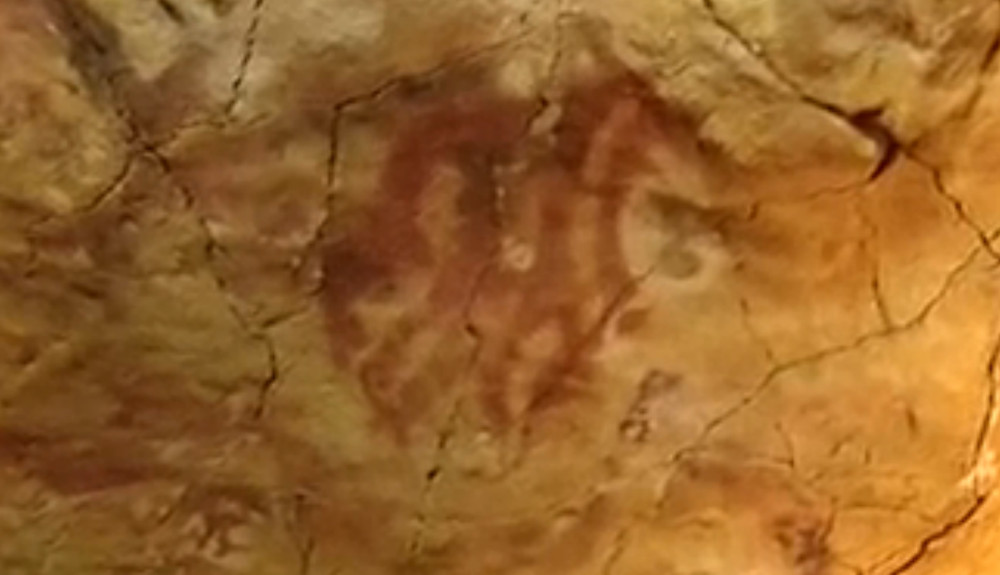
The Altamira Cave (la Cueva de Altamira), located in Santillana del Mar (Cantabria region), was declared a World Heritage in 1985 by UNESCO. It is known as the Sixtina Chapel of the Paleolithic art. The cave was discovered in 1863, although its paintings which are dated 13,500 years ago, were not discovered until 1879 by Marcelino Sainz de Sautuola (1831-1888).


The National Museum and Research Center of Altamira

Nowadays, the Altamira Cave has been closed to public in order to preserve its paintings. However, people can visit the fascinating Altamira Museum (Museo Nacional y Centro de Investigación de Altamira) which offers a reproduction of how the Altamira Cave was about 14,000 years ago (Neocave), with visit guided, collections and pieces about art and culture in times of Altamira, so as exhibits and activities for children among other things.

If visitors want to stare the recreation of Altamira Cave, they can visit the Neocave that is a reconstruction of the original cave where they can see the Herd of bison, one of most expressive paintings of Altamira and enjoy its spectacular way inside the cave.

It takes about 30 minutes on foot from Santillana del Mar to Altamira Museum. The ticket to visit the Museum costs 3 euros. Tourists should book the tickets in advance to avoid the wait.


More places to visit near Altamira Cave and Museum (Cantabria)

– Santillana del Mar: One of the most beautiful villages in Spain.

– Cantabria: Check here all our posts about Cantabria region (España).

City of Arts and Sciences of Valencia / Ciudad de las Artes y las Ciencias (Valencia)

Located in Valencia, The City of Arts and Sciences (Ciudad de las Artes y las Ciencias) is a complex of futuristic buildings in where visitors can discover one of the greatest aquariums of Europe, a science and technology museum, cinemas, a theater and many more cultural zones. It also has leisure areas with gardens, lakes and restaurants.

It was designed by the famous architect Santiago Calatrava and finished in 2002. The budget was initially of 600 million euros, but at the end it cost four times more, which generated a lot of polemic among the population because of its high cost. However, nowadays most people agree on considering the City of Arts and Sciences as the more important touristic attraction of Valencia, and one of the places that tourists must see when visiting Spain.

To arrive at Ciudad de las Artes y las Ciencias you can take the bus (Lines 1, 13, 15 35, 47 and 95). Also you can go by metro (Line 5) to Ayora or Maritim Serreria Stations (15 minutes away on foot).


What to visit in City of Arts and Sciences?

The City of Arts and Sciences consists in a wide zone in the center of Valencia, near the sea and the Port of Valencia, in where are located the followings cultural and leisure buildings and structures:

– The Hemisferic (3-D IMAX cinema): Inside this impressive building, which is one of the main icons of the city, you will find the bigger cinema hall of Spain. Its exterior shape of its white structure surrounded by water represents a human eye.

– The Oceanográfic: The biggest aquarium of Europe with more than 10,000 square metres and which has around 45,000 living beings. It is composed by several separated zones in where are represented these environments: The Mediterranean sea, The tropical zones, Ocean Environments, Antarctic and Arctic, Islands and Humid regions. Moreover, it includes a dolphin area and a submarine restaurant.

– Museo de ciencias Príncipe Felipe (Sciences Museum): A science museum in where young and older people can discover the principles of the 21th century science and technology by touching and doing interactive experiments.

– Sophie Queen Arts Palace (Theater): The Palau de les Arts Reina Sofía has four big theater halls dedicated to classical music, opera and theater plays. It also includes an additional zone for expositions.

– The Agora (Square-Pavilion): A Pavilion for events, as concerts or similar activities.

– The Umbracle (gardens): A view point from where the people can observe the whole complex of buildings. The Umbracle include gardens and paths to walk and discover regional plants, statues and sculptures.


More places to visit in Valencia

– The Turia Gardens (Jardines del Turia): A public green park of more than 7,000 metres long with great variety of trees, plants ,flowers, herbs, grass, many fountains, several sports areas, some playgrounds, a lot of places to relax and rest, so on.

– The Silk Market: A must for visitors who arrive in Valencia is the Silk Market (la Lonja de la Seda). It’s a masterwork of the 15th century declared a world Heritage site by UNESCO in 1996.

The Guggenheim Museum (Bilbao)

The Guggenheim Museum (Museo Guggenheim) is a contemporary art center placed in Bilbao, in the Basque Country. The museum was inaugurated in 1997 and since then, it has become one of the most popular museums of Spain and Europe because its original and transgressive design.


The building

This museum has many characteristics that makes it unique: Its structure, designed by the architect Frank Gehry has a curved surface covered in titanium. What’s more, its situation, close to the river bank, creates a wonderful game of highlights when the sun reflects its rays in the titanium and then they are reflected in the water.


The surroundings of the museum

The Guggenheim Museum is located in the estuary bank of the Nervion River, at Bilbao city center. Around it, you will find some famous sculptures, a tourism center and green zones. Moreover, there are other relevant buildings of Bilbao near the museum: The University of Deusto, Doña Casilda Park, The Princes Bridge, Iberdrola Skyscraper and more.

To arrive at Guggenheim, you can go on foot from the train station (10 minutes) or from the bus station (6 minutes). You can also go by tram.

Another option to arrive at the museum is to go from the train station in the historic centre of Bilbao, bordering the river until arrive at the museum. Surely, doing this you will take the nicest photos of Bilbao.


More places to visit in Bilbao (Basque Country, Spain)

– The Old Town of Bilbao:  This is a zone of ancient buildings, narrow streets and squares in the centre of Bilbao. This zone is popular among citizens and tourists because its gastronomy, atmosphere and for its churches and traditional buildings.

– Getxo (Guecho): Getxo is a town of 80.000 inhabitants located 30 minutes away from Bilbao city. The situation of the town in the Nervion river mouth, its beaches, its maritime port and its landscape, have become it one of the most touristic places of the region in the last century.


Other popular museums in Spain

– Reina Sofía Art Center (Madrid): This art gallery forms part of the “Madrid’s triangle”, next to Prado Museum and Museum of Thyseen-Bornemisza. These three art galleries are must-see places in Madrid. Each of them is full of masterpieces of art. This museum is dedicated to the modern art, mostly of the 20th century.

Read also our article about the best destinations to visit in Spain.

The Debod Temple (Madrid)

The Debod Temple (Templo de Debod) is an old Egyptian temple which nowadays is located in Parque del Oeste of Madrid. Although the temple was once in Egypt, it was disassembled in 1960 and translated to Spain ten years later to avoid its inundation because of the construction of a dam in Egypt.

To arrive at Debod Temple, take the metro Line 3 to Plaza España. The temple is four minutes on foot from Plaza España.


The history of the temple

The  origins of the temple date from 2200 years ago when in the second century Before Christ, Pharaoh Ptolemy IV built it. Its original location was in the old Debod Town in the bank of the Nile River, in the south of Egypt. The temple was dedicated to the goddess Isis and also to Amun.

In 1961 Egypt started the construction of the Aswam Dam, so many temples placed in the area that would be affected by the flooding were disassembled and transported to other new locations. Then, four temples were translated to other countries which collaborated with its preservation: Dendur to United States, Ellesiya to Italy, Taffa to Holland and Debod to Spain.


Visiting the temple

People can visit the temple every day for free. Its doors are open from 10:00 to 14:00, and from 16:00 to 18:00. The building has two levels. On the first level there are Egyptian statues and paintings which gives us a vision of how was the temple in the ancient times. Moreover, on the second floor there is a small museum with information about the original location of the temple and its history.


The park and the view point

The Debod Temple is placed in a strategic zone of the park. Just behind the temple there is a balcony from which it can be seen a nice panoramic of the north-west of Madrid. Also, from there you can take photos of the Royal Palace and Almudena Cathedral. This view point is very popular because its views at sunset. For that, this part of the park is one of the most romantic sites of Madrid.

Another interesting thing to do in Parque del Oeste is to go to the cable-way (Teleférico de Rosales). You can use it to go to another view point placed in Casa de Campo, from which you will see the whole city.


More popular places in Madrid, located near Debot Temple

– The Royal Palace: Nowadays, the Royal Palace is the official residence of the king of Spain Juan Carlos I, who uses it for important events because the King lives in a small palace called The Zarzuela. The palace was built between 1738 and 1755, and the king Felipe V (1683-1746) ordered its construction.

– Jardines de oriente (Oriente Gardens): A square with a beautiful gardens and two rows of statues on this sides. They are placed beside Palacio Real.

– Jardines de Sabatini (Sabatini Gardens): These gardens are placed by Real Palace, and also close to El Senado building.

– Catedral de La Almudena (Almudena’s Cathedral): This is the main cathedral of Madrid. It is placed in front of Palacio Real.

– Plaza de España: There  you can find the first skyscrapers built in Spain, and a beautiful fountain in the middle of the square with a statue of Don Quijote and Sancho Panza.

– Gran via Avenue: Gran Via is one of the most famous streets of Spanish capital. It is situated in the center of Madrid and was built 100 years ago. The idea of the street was to join and improve the communication between the districts of the capital city.

Read also our post about What to see in Madrid in one week.

The Royal Monastery of El Escorial (Madrid)

The Royal Monastery of San Lorenzo del Escorial (popularly known as El Escorial Palace) is an impressive building located in the surroundings of Madrid where the kings of Spain used to live. The palace was built in the 16th century, and currently it has a museum, a monastery, a crypt, a basilic, a library and gardens.


El Escorial is placed in a town called the same name, and every week hundreds of people visit it. To arrive there, you can go by car or by train (Cercanías, Line C3). It is about 40 minutes by train from the center of Madrid.


El Escorial: The building

King Felipe II started the construction of The Royal Monastery of San Lorenzo del Escorial in 1563. The objective of the palace was to build a place where Felipe II could bury the corpse of his father, Carlos V and his family. Since this moment, the royal family of Spain have been buried there.

Talking about the monastery, Felipe II wanted the building and the mausoleum were managed and kept by monks, so he gave the monastery to the Jeronimos Order that lived there for three centuries. Later, from 1885 to now, the Agustinian order is the designated to keep the monastery.


What to visit in El Escorial

The visitors can see the inside of El Escorial by paying a ticket which costs between 5 and 10 euros. The ticket includes a route where you can visit a museum, some rooms of the palace, the Kings’ Pantheon, some parts of the monastery, the basilica and the library. To see all of this can take between 2 and 4 hours.


Photo: Model of El Escorial.


The Museum

In the museum there are expositions of hangings and paintings of the period of the kings. Furthermore, there is an architecture exposition in where the people can discover how El Escorial was built. There are models of the building, construction tools and planes which were used during the construction in the 16th century.


The Palace and the Pantheon

During the visit, you will also visit the palace. In there are shown the rooms were the kings lived many centuries ago. After that, in the Royal Pantheon there are placed the tombs of the Kings of Spain and their relatives.


The basilica: San Lorenzo el Real

Finally, the basilica of San Lorenzo el Real is located in the center of the building. It has a Gothic architecture and nowadays, it is still used for the wedding celebrations of all the people who want to marry in there.


The town of El Escorial and “La casita del Principe” gardens

Once finished the visit to El Escorial, you can take a rest and dinner in the town. 

Also, we recomend to visit “La casita del principe” (The prince little house) a park placed near the Monastery which includes a garden and a house where it is said that, long time ago, the princes used to go to rest and to stay in the free time.


More Royal Palaces to visit near Madrid

– The Royal Palace (Madrid): Nowadays, the Royal Palace is the official residence of the king of Spain Juan Carlos I, who uses it for important events because the King lives in a small palace called The Zarzuela. The palace was built between 1738 and 1755, and the king Felipe V (1683-1746) ordered its construction.

– Granja de San Ildefonso: The Royal Palace of San Ildefonso (popularly known as La Granja de San Ildefonso) is a magnificent palace located in San Ildefonso, a small town of Segovia. This palace is famous for its wide gardens with fountains and statues, which are visited by many tourists both in summer and winter.

One-week tour in Madrid: What to visit in seven days in Madrid city

This tour is for tourists who are visiting Madrid, people who are living in Madrid but they haven’t visited all of the city yet, travellers who like knowing new cities or erasmus students in Spain… In this article we are going to tell you what are the most relevant places in Madrid: From popular streets, parks and squares, to monuments, museums, football stadiums or restaurants and pubs areas.

Our trip are going to be organized in 8 days (one week and one extra day): In the first four days we will visit the most important sites of the city (monuments, important buildings, palaces…), in the next three days we will see some popular places in where the citizens are used to staying (amenities, places to rest or to have a lunch, night life…). The last day, the eighth day, is an extra day with some suggestions about other cities and towns near Madrid that, if you have enough time, you will enjoy visiting some of them.

Tip: Notice that the routes are thought to be done on foot, and the streets and buildings of each day are placed close to each other. Despite all, it’s highly recommendable to have a map in your hands before starting each route (you have a touristic map of Madrid on the end of this page).


Day 1: Plaza España, Templo de Debod, Palacio Real, Catedral de La Almudena, Mercado de San Miguel, Plaza Mayor, Puerta del Sol.

The first day we are going to start visiting the most traditional sites of Madrid. Probably this is the route that most tourists visit because it’s a nice walk around the centre of the city. The start point is Plaza de España (metro lines 3 and 10).

– Plaza de España (Spain Square): Almost every city in Spain has its own “Plaza de España”. In this one,  you can find the first skyscrapers built in Spain, and a beautiful fountain in the middle of the square with a statue of Don Quijote and Sancho Panza.

– Templo de Debod  (Debod Temple): This magnificent Egyptian temple is located in Parque del Oreste, 5minutes on foot from Spain Square. Although the temple was once in Egypt, it was disassembled in 1960 and translated to Spain to avoid its inundation because of the construction of a dam in Egypt.

– Jardines de Sabatini (Sabatini Gardens): These gardens are placed by Royal Palace, and also close to El Senado building.

– (Optional: El Senado)

– Jardines de Oriente (Oriente Gardens): A traditional square with beautiful gardens and two rows of statues on this sides. In the center of the square there is a monument of Felipe IV. Also, in the background of the photo, behind the Felipe IV,  you can see the Royal Palace.

– Palacio Real (The Royal Palace): The palace was built between 1738 and 1755, and the king Felipe V (1683-1746) ordered its construction. Being one of the most emblematic buildings of Madrid, this  large palace might some French tourist remind of the Luvre Palace. Visitors  should stare its Royal Chapel, The Royal Armoury which is one of the most important of Europe, The Throne Hall and Royal Chemist’s  all of them are worth a visit. Moreover the palace  has a   art galery with  stunning paintings.

– Catedral de La Almudena (Almudena Cathedral): This is the main cathedral of Madrid. It is placed in front of the Royal Palace.


– (Optional: Opera Square and Teatro Real)

– Mercado de San Miguel (San Miguel Market): Inside of this famous market you will find an incredibly variety of food: juices, “tapas”, “croquetas”, hamburgers, fruit, fish… all of this of the highest quality. The structure of the market was built in 1913 and consists in a beautiful combination of iron and glass. Before 1913, the market already existed, but these stalls was placed in the street.

– Plaza Mayor (Main Square): The Main Square was built around 400 years ago. It is surrounded by charming three-storey buildings, painted mostly in red, with beautiful windows. It was built when Madrid became a capital city of Spain. Before this, the Main Square was used as a market with vegetables and fruits. The construction started in 1617 and was finished 2 years later. It was the place of bull fightings, theatrical plays, knights’ tournaments or executions. Now it is a place full of restaurants and pubs.

– Puerta del Sol (Sun Square): Puerta del Sol (which means “Sun Gate”) is the name of the most famous square in Madrid. It is located in the city center, and it is connected with the rest of the city with the 1, 2 and 3 Subway Lines, and other trains lines which start there and finish in the suburbs and towns placed around Madrid. This emblematic place is one of the reference points more used in the city, and many citizens are used to dating with other people from this point.


Day 2: Museo Reina Sofia, Parque del Retiro, Puerta de Alcalá, Plaza de Cibeles, Gran Via.

Today we will visit more emblematic places in the center of the city. Take in account that Reina Sofia Art Center and Retiro Park are huge sites, so you will need at least 2 or 3 hours to see each of them. To start the route in Reina Sofia, go to Atocha Metro Station (Line 1).

– Museo Reina Sofia (Queen Sofia Art Center): This art gallery forms part of the “Madrid’s triangle”, next to Prado Museum and Museum of Thyseen-Bornemisza. These three art galleries are must-see places in Madrid. Each of them is full of masterpieces of art. This museum is dedicated to the modern art, mostly of the 20th century.

– (Optional: Estación de Atocha): Atocha train station. This station it is the most used train and metro stations of Madrid, so if you have to travel by train, probably you will have to go there. Inside it, there is a greenhouse with plants and a small “lake” with turtles.

– Parque del Retiro (Retiro Park): The Retiro Park (Parque del Retiro) is a very popular park placed in the center of Madrid. It covers more than one square kilometer and it contains a lake with boats, many monuments, fountains, statues, gardens, restaurants and of course, a lot of trees and grass. If you want to visit Retiro Park, notice that you will need at least 3 hours to see it all.


– Puerta de Alcalá (Alcala Gate): The Alcalá Gate is placed in Alcalá Avenue, just between Cibeles Square and one of the entrances of Retiro Park. The monument was built in 1778 and it’s the most popular “gate” in Spain.

– Plaza de Cibeles (Cibeles Square): Cibeles Square is placed in the center of Madrid, at the cross between Alcalá Avenue, Recoletos and Prado Avenue. There are several reasons because this place is very popular. On one hand it’s in the middle of many remarkable monuments and buildings (in one direction you have Gran Via and Puerta del Sol; in other direction you can visit Retiro’s Park, the most famous park of Madrid, and in the other two directions you have the most important museums of the city: Prado, Reina Sofia, Tyssen and Caixaforum). On the other hand, some remarkable buildings are in Cibeles Square, as Palacio de Comunicaciones, Banco de España and Cibeles Fountain, which is in the center of the roundabout.

Gran Via Avenue: Gran Via is one of the most famous streets of Spanish capital. It is situated in the center of Madrid and was built 100 years ago. The idea of the street was to join and improve the communication between the districts of the capital city.


Day 3: Museo del Prado, Caixaforum, Museo Tissen, Plaza de Neptuno, El Congreso.

Today we are going to visit more museums: El Prado, Thyssen and Caixa Forum. El Prado is the most important one, the rest of them can be interesting if you enjoy visiting museums, if not, you can skip them. To arrive at El Prado, you can go from Atocha Metro Station (Line 1), or from Cibeles (Line 2) walking 5 minutes.

– Museo del Prado (Prado Museum): El Prado, Reina Sofia, Tyssen, Caixaforum… All of these museums are in the city center. Although we know that it’s impossible to visit all of them on one day, we recommend you to visit El Prado and Reina Sofia, which are two of the best museums in the world (notice that you will need about 4hours to visit each one).

– Caixaforum (Museum)

– Museo Thyssen (Thyssen Museum)

– Fuente de Neptuno (Neptuno fountain): This fountain is placed in Cánovas del Castillo Square. Since Cibeles Fountain is used by the supporters or Real Madrid football team, this another fountain is used by the Altetico de Madrid football team’ supporters to celebrate its triumphs.

–  Congreso de los Diputados

– Puerta del Sol (Sun Square): Puerta del Sol (“Sun Gate”) is the name of the most famous square in Madrid.

– (Optional: Shopping at Calle Preciados, and eating at Calle Cadiz and surroundings): Preciados Street is between Puerta del Sol and Callao Square / Gran Via Avenue. This street is always full of people, and it’s a common place to go shopping.

On the other hand, Cadiz Street is behind Casa de Correos Building, in Puerta del Sol. This street and its surroundings is full of restaurants and bars, so it’s the perfect place to take a lunch and rest in any terrace.


Day 4: Las cuatro torres de Madrid, Puerta de Europa, Torres Kio, Paseo de la Castellana, Estadio Santiago Bernabeu, Nuevos Ministerios, Plaza de Colón, Plaza de Cibeles.

Today we are going to see the modern part of the city. We will start visiting The four Skyscrapers, in Begoña metro station, and then we will go trough Paseo de la Castellana until the city centre.

– Las cuatro torres de Madrid (The four Skyscrapers): This four skyscrapers can be seen from many places of the city.

– Puerta de Europa and Torres Kio (Europa Gate and Kio Skycrapers): This skyscrapers are in the beginning of Castellana Avenue, one of the wider and longer avenues of Madrid, which begins here and ends in Colón Square, near to Cibeles.

– Paseo de la Castellana  (Castellana Avenue): An emblematic avenue, full of shops, offices …and of course, vehicles 🙂

– Estadio Santiago Bernabeu (Santiago Bernabeu Football Stadium): The stadium of the Real Madrid Football Team.

– (Optional: Nuevos Ministerios): Nuevos Ministerios is a Metro Station located in Castellana Avenue. It’s very popular because its commercial centers.

– Museo nacional de ciencias naturales (Museum of Natural Sciences): If you are interested in the natural sciences, this museum is situated in the Palace of the Arts and the Industry, in José Gutiérrez Street, No 2 (the building can be seen from Castellana Avenue – Vitrubio).

– Plaza de Colón (Colon Square): This square is at the end of Castellana Avenue. Here you can see the Cristobal Colon Statue, the Colon Skyscraper and behind the square, the building of the National Library (Biblioteca Nacional).


– Monumento a Cristobal Colón (Colon monument) and Torres Colón (Colon Skycraper).


– Biblioteca nacional (National library)

Finally, from Colon Square, going through Paseo de Recoletos you will arrive at Cibeles.

– Plaza de Cibeles (Cibeles Square): Cibeles Square is placed in the center of Madrid, at the cross between Alcalá Avenue, Recoletos and Prado Avenue.


Day 5 (Friday): Plaza de Tribunal, Barrio de Malasaña, Calle de Fuencarral, Barrio de Chueca, Mercado de San Antón, Gran Via, Plaza de Callao.  

At weekend you have to visit the popular neighborhoods of Malasaña and Chueca, in the city centre. They are separated from Fuencarral Street, which is full of shops and restaurants. The start-point of this route is in Tribunal metro station (Line 2).

– Plaza de Tribunal (Tribunal Square): Inside the old Tribunal Building, there is a museum with maps of Madrid between the 18th and 20th centuries and a big model of the city.

– Barrio de Malasaña (Malasaña Neighborhood): This traditional neighborhood is famous among the young population. You can discover a lot of alternative shops, restaurants and pubs in this neighborhood. (Photo: Plaza del 2 de mayo)

– Calle de Fuencarral (Fuencarral Street): One of the most famous streets to go shopping.  It also separates Malasaña from Chueca neighborhood: On one side is Malasaña and on the another one Chueca.

– (Optional: Mercado de Fuencarral / Fuencarral Market): This Market is in Fuencarral Street, number 45. It is very popular between the young people. In there you will find a lot of fashionable and alternative clothes, complements and souvenirs.  (Now closed).

– Barrio de Chueca (Chueca Neighborhood): Chueca is popular because its restaurants and its fashionable shops. It is also a reference in the gay culture.

– Mercado de San Antón (San Anton Market): This market is placed in the center of Chueca Neighborhood, It is focused in “tapas” and premium food to eat in its stalls and restaurants.

– (Optional: Espacio Telefonica): This is a art space that you can visit for free. It is placed in the cross between Fuencarral Street and Gran Via.

– Gran Via Avenue: Gran Via is one of the most famous streets of Spanish capital. It is situated in the center of Madrid and was built 100 years ago. The idea of the street was to join and improve the communication between the districts of the capital city.

– Callao Square: This square is in Gran via. Its surroundings are full of theaters, cinemas and restaurants. The perfect place for a weekend!

Finally… night life in Madrid.  This Friday, we recommend you to visit during the afternoon and night Malasaña or Chueca. In there, there are always a good atmosphere and a lot of people having fun.


Day 6 (Saturday): Choose one option…

We haven’t visited yet many important sites of Madrid. As it’s impossible to visit all of them in one day, we propose you to choose some of them depending on yours preferences.

Option 1 -> El Escorial: The Royal Monastery of San Lorenzo del Escorial is an impressive building located in the surroundings of Madrid where the kings of Spain used to live. The palace was built in the 16th century, and currently it has a museum, a monastery, a crypt, a basilic, a library and gardens.


Option 2-> Route: Ciudad universitaria, Moncloa, Parque del Oeste, Teleferico de Rosales and Casa de campo.

Photos: Ciudad Universitaria (seen from Moncloa Metro Station),  Teleférico de Rosales (placed in Parque del Oeste, near Templo de Debod) and Madrid’s Landscape, seen from Casa de Campo.


Option 3 -> Parque de atracciones or Parque Warner: The two most visited attraction parks of Madrid. In summer, it could be interesting to visit one of them to enjoy its roller coasters and its aquatic attractions.


Option 4 -> Route: El Matadero (art center) and Madrid Rio (river and park).  (and in the past, also Vicente Calderón (At. Madrid football stadium), now closed).

Photos: A bridge in Madrid Rio and the old Vicente Calderón Stadium (located just near the river. Now demolished).


Option 5 -> Plaza de toros “Las Ventas”: It is a place where you can see the bull fights – a unique Spanish tradition. Its capacity – 23798 spectators makes it the third arena in the world. It is also considered to be the most important place for bullfighters in Spain.


Option 6 -> Andén Cero: Once, this old metro station was part of the Line 1, but it was closed 70 years ago and currently is a museum where you can visit and imagine how were the first metro stations of Spain. It is placed in Chamberí.

Option 7 -> Museo de Sorolla. This museum is located in Paseo del General Martínez Campos 37.

Night life in Madrid:  On Saturday, you can go to Puerta del Sol, Huertas Zone and Santo Domingo Square. This is the perfect place to eat, drink and meet people. It’s full of bars, restaurants, pubs and discotheques.


Day 7 (Sunday): El Rastro de Madrid and La Latina neighborhood.

On Sundays there are two places where the people use to go: El Rastro (a street market which covers several streets and where it is said that you can find near everything), and La Latina (a zone with a lot of bars and restaurants where the young people go to eat and chat).

– El Rastro de Madrid: In this street market you will find clothes, books, art, antiquities and any other kind of objects. The market is placed at Ribera de Curtidores Street and its surroundings all Sundays from 9:00 to 14:00 h.  To arrive at the market, you can go to Tirso de Molina, Puerta de Toledo or La Latina Metro Stations.

– La Latina neighborhood: In La Latina, the young (and not so young 🙂 ) people are used to going at midday and afternoon every weekend (specially on Sundays) to eat tapas, sandwichs and drink beer and wine in the bars of its streets. The zone with more bars and restaurants is in The Cava Alta and Cava Baja streets, and the terraces that you can find in its surroundings.  Metro station: La Latina (Line 5).


Day 8 (extra): Other interesting cities and towns to visit near Madrid.

There are many historical and touristic cities and towns near Madrid. Here we propose you some of them, where you can go by bus or by car in one or two hours approx.

You will need at least one day to visit each of these towns:

– Segovia: With its impressive roman aqueduct and its Alcazar, Segovia is a must for tourists who are visiting the central region of Spain.

– Toledo: Toledo is an historical city with a lot of ancient buildings and monuments which make a medieval atmosphere for everyone who want to visit it.

– Salamanca: Salamanca has the most ancient university of Spain. Also, visiting its historic centre is like to stay in the medieval age, surrounded of elegant stone-made buildings, churches, squares and monuments.  Salamanca is surely one of the best maintained traditional cities of the country.


Touristic map of Madrid

Here you have a touristic map of Madrid with the relevant streets and monuments, and with the metro routes. You can click on it to see it bigger, or also you can ask for a map in any metro station of the city.   (Notice that the map is a simplified version of the actual city. The location of the streets and buildings isn’t 100% accurate).


More cities to visit in Spain:

Barcelona: This is the second bigger city of the country, and one of the most beautiful ones. Ideal for travel in summer, with a wide offer of cultural activities and a lot of party for young people.

– Seville city and Andalusía: This region is placed in the south of Spain.  If you go there, you have to visit Seville, Granada, Cordoba, Cadiz and Malaga.

– Saragosse / Zaragoza: Saragosse is a city placed between Madrid, Barcelona and Valencia. It’s a nice city to visit for one weekend. Also, it has The Pirinees in its north, the perfect place to organize excursions, do camping in the nature in summer and skiing in winter.

– Galicia and Asturias Regions: The north-west of Spain is the “greenest” region of the country. Ideal for excursions in the nature, resting in the beach in summer and taste its gastronomy.


Search places

More places